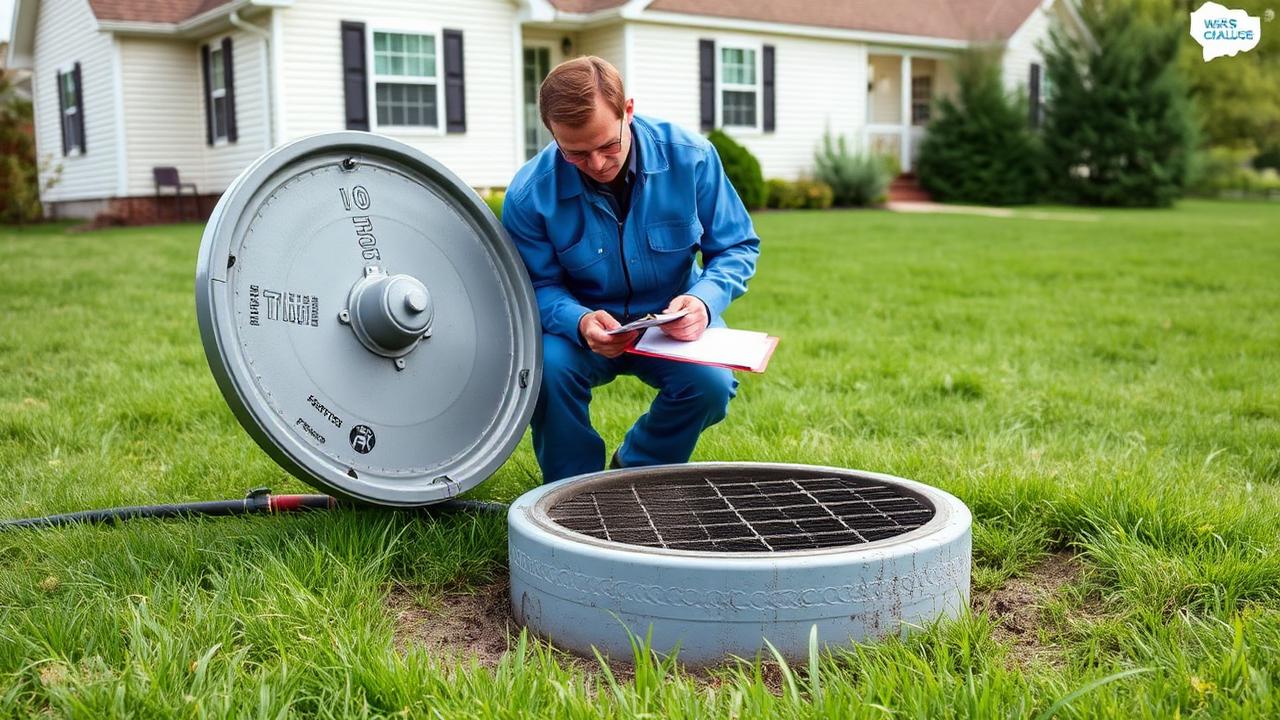
Septic inspections aren't just for real estate transactions. Here's when to schedule one — and what a thorough inspection actually includes.
Most homeowners think of a septic inspection only when they're selling a house. That's the moment a lender or a buyer's agent typically requires one. But waiting until you're under contract to find out the drain field is failing turns a $400 inspection into a $25,000 problem at the worst possible time. Routine septic inspections — done on the schedule below — catch issues while they're still small.
Every three years, minimum
The Ohio EPA and most county health departments recommend full inspections every three years for conventional gravity systems. The three-year cadence isn't arbitrary — it matches the typical pumping interval for an average household tank, so the inspection and pump can be done together. Inspecting at pump-out time also gives the inspector a clean view of the tank's interior, baffles, and inlet/outlet conditions — things you can't see when the tank is full.
Every year for aerobic and mechanical systems
If you have an aerobic treatment unit (ATU), a pressure-dosed system with a pump, or any system with mechanical components, Ohio requires annual service by a registered service provider. The annual visit checks the air pump, the alarm circuit, the chlorine or UV disinfection, the float switches, and the effluent quality. Skipping it doesn't just risk failure — it puts you out of compliance with the operating permit on file with the health department.
Before buying a property with a septic system
Never close on a rural Knox County property without a septic inspection contingency. The system is one of the most expensive things you'd potentially have to replace, and the visual condition of the yard tells you very little. A drain field that's saturated and on the verge of failure can look like perfectly normal grass for months — sometimes years — before the surface signs show up.
A pre-purchase inspection is more thorough than a routine one. It typically includes a tank pump-out so the inspector can document interior condition, a dye trace or load test on the drain field, location of all components (since records are often missing), a written report with photos, and a remaining-life estimate that you can negotiate against during the contract period.
After a backup, flood, or unusual event
If your toilets gurgled and the basement drain backed up, that's a symptom — not necessarily a failure, but always worth an inspection. The same is true after a basement or yard flood. Floodwater can saturate the soil around the drain field and push backflow into the tank, lifting tank lids and damaging the system. After any flood event, an inspection confirms the system is structurally intact before you put it back into normal use.
Before adding a bedroom, an addition, or heavy water use
Septic systems are sized for the number of bedrooms in the house. Adding a bedroom, an addition, or a high-water-use fixture (laundry suite, soaking tub, in-law suite) can push a system beyond its design capacity. An inspection before the work — combined with a system designer's review — tells you whether your existing system can handle the new load or needs to be upgraded as part of the project. Catching that during planning is much cheaper than catching it after the addition is built.
What a thorough inspection includes
There's no universal standard, which is part of the problem. A bad inspection is someone shining a flashlight at the tank lid and writing 'no visible issues.' A good inspection — the kind we do, and the kind to insist on — includes all of the following:
- Locating all components: tank, distribution box, drain field laterals, clean-outs
- Measuring sludge and scum layers in the tank to determine if pumping is needed
- Inspecting tank for cracks, leaks, deteriorated baffles, and missing or loose lids
- Checking the inlet pipe from the house and the outlet to the drain field for proper flow
- For pressure systems: checking pump operation, float switches, and alarm function
- Visual inspection of the drain field area for ponding, lush growth, odor, or soft spots
- Where indicated: load testing or dye tracing the drain field
- Written report with photos and an updated diagram of the system
What the inspection can tell you
A good inspection report tells you four things: the current condition of each component, whether the system is functioning within its design capacity, an estimated remaining life, and a prioritized list of any maintenance or septic repair items that should be addressed. A system that needs a new baffle and a riser added is not the same as a system on the verge of drain field failure — and a good report makes the difference clear.
What to do between inspections
The single most useful thing a homeowner can do is keep records — pump dates, inspection dates, any service calls, any backups, and any repairs. Tape the records to the inside of a utility closet door, or keep a folder in the home file. The next time something goes wrong — and over the 30-year life of a system, something will — the history saves the technician hours of diagnostic work and saves you money.
Other than recordkeeping: don't drive on the drain field, don't plant trees near the laterals, don't flush wipes (even the ones labeled flushable), and watch what goes down the kitchen sink. Grease and food scraps overload a tank faster than anything else in normal household use.
If your system is overdue for an inspection, or you're under contract on a property and need one quickly, give us a call at (740) 485-2538. We inspect, pump, repair, and install new septic systems across Knox County year-round.